The fascinating evolution of casinos A journey through time with chicken road
The Origins of Gambling: A Historical Overview
The roots of gambling can be traced back thousands of years to ancient civilizations. The earliest evidence of gambling dates back to around 3000 BC, with archaeological findings in China revealing the use of tiles for a rudimentary game of chance. Similarly, the Egyptians are known to have played dice games, which were likely used for both entertainment and wagering purposes. These initial forms of gambling laid the groundwork for the development of more structured gaming establishments, like the chicken road app that combines traditional elements with modern gaming.
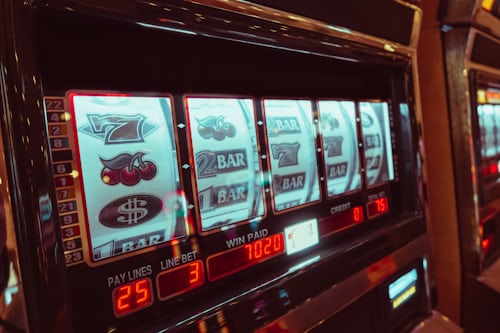
As societies evolved, so did their approach to gaming. In ancient Rome, gambling became a popular pastime among the elite and was often featured in social gatherings. The Romans would place bets on gladiatorial contests and other forms of entertainment, demonstrating that gambling was woven into the fabric of their culture. These early instances of wagering signify the birth of a more formal gambling environment, one that would eventually evolve into the casinos we recognize today.
In the Middle Ages, gaming houses began to emerge, particularly in Europe, catering to nobles who sought leisure and excitement. It was during this period that the first card games were introduced, further expanding the range of gambling options. The transition from informal gambling to organized gaming establishments marked a significant shift, leading to the establishment of the first official casinos in the 17th century, particularly in Italy and France.
The Rise of the Casino: From Europe to America
The 17th century saw the advent of modern casinos, with the establishment of the Casino di Venezia in Italy, often cited as the world’s first official casino. This gaming house introduced a variety of games, including roulette and faro, which became immensely popular. The concept of a dedicated space for gambling allowed for greater regulation and a more sophisticated gaming experience, setting a precedent for future establishments around the globe.
As the popularity of casinos spread throughout Europe, they began to evolve in terms of both design and function. The opulent architecture and luxurious interiors of these establishments attracted the wealthy, turning casinos into social hubs. This lavish environment drew in patrons not just for gaming but also for dining and entertainment, transforming casinos into multifaceted destinations that catered to a sophisticated clientele.
In the 19th century, the allure of casinos crossed the Atlantic, with establishments popping up in cities like New Orleans and later Las Vegas. The introduction of games like poker and blackjack, which combined skill and chance, further captivated the American public. By the early 20th century, casinos became synonymous with the American Dream, offering an escape from the mundane and a chance for prosperity, albeit often elusive.
The Golden Age of Casinos: The Las Vegas Revolution
The mid-20th century marked the golden age of casinos, particularly with the rise of Las Vegas as the gambling capital of the world. Post-World War II, Las Vegas underwent a transformation, evolving from a small desert town into a vibrant entertainment hub. The legalization of gambling in Nevada in 1931 set the stage for a boom, attracting both tourists and investors looking to capitalize on the burgeoning industry.
With the introduction of iconic resorts such as the Flamingo and the Sands, casinos became elaborate attractions featuring not just gaming tables but also world-class entertainment. The „Rat Pack“ era brought further glamor, as stars like Frank Sinatra and Dean Martin performed in casinos, cementing Las Vegas’s status as a premier entertainment destination. This period highlighted the intersection of gambling and show business, a relationship that continues to thrive today.
The evolution of casinos in Las Vegas also introduced advanced marketing techniques, such as loyalty programs and themed experiences, which further enhanced customer engagement. The blend of luxury, entertainment, and gaming created an unparalleled atmosphere that attracted millions of visitors from around the world, making Las Vegas a symbol of gambling culture and a hotspot for aspiring high rollers.
The Digital Transformation: Online Casinos and Mobile Gaming
The late 20th and early 21st centuries witnessed a seismic shift in the casino landscape with the advent of the internet. Online casinos emerged in the mid-1990s, offering players the opportunity to gamble from the comfort of their homes. This digital transformation expanded the reach of gambling, attracting a new generation of players who sought convenience and accessibility without the need to travel to a physical location.
Mobile gaming further revolutionized the industry, allowing players to engage in casino games through smartphones and tablets. The Chicken Road app is one such innovation, offering a unique blend of casual gaming with traditional casino elements, appealing to a broader audience. This app reflects the growing trend of gamification, where gaming mechanics are used to enhance user engagement and retention.
The rise of online casinos also prompted significant changes in regulatory frameworks, as governments sought to adapt to the new digital landscape. Licensing and safety protocols became paramount, ensuring fair play and protecting players‘ interests. As technology continues to advance, the future of casinos promises to be more interconnected and immersive, with virtual reality and blockchain technology on the horizon.

Conclusion: The Future of Casinos and the Role of Chicken Road
The fascinating evolution of casinos from ancient games of chance to modern digital experiences illustrates the adaptability of the gambling industry. As we continue to embrace technological advancements, the landscape of casinos will only expand. The chicken road app exemplifies how innovation is shaping the future of gaming, merging traditional casino experiences with contemporary technology.
With the ongoing integration of artificial intelligence and augmented reality, the next generation of casinos is set to provide even more immersive experiences. As players continue to seek engaging and convenient ways to enjoy gaming, the blend of physical and digital will redefine how we perceive and interact with casinos. The journey through time showcases the resilience of this industry, ensuring it remains a staple of entertainment for years to come.