Understanding the psychology behind gambling behavior and its impact on decision-making
The Psychological Drivers of Gambling
Gambling behavior is often influenced by various psychological factors that drive individuals to participate in games of chance. One of the primary motivations is the thrill associated with risk-taking, especially when visiting places like Casino 21 Dukes. Many players experience an adrenaline rush that comes from placing bets and the uncertainty of the outcome, which can be both exciting and addictive. This excitement can create a cycle of engagement where the anticipation of winning becomes more appealing than the actual act of gambling itself.

Additionally, cognitive biases such as the illusion of control can significantly impact decision-making in gambling. Players often believe they can influence the outcome of games through skill or strategy, even in purely chance-based activities. This belief can lead to overconfidence, where individuals might ignore statistical realities and persist in gambling despite losses, thinking that their luck will change.
The Role of Emotions in Gambling
Emotions play a crucial role in gambling behavior, affecting decision-making processes. Positive emotions, such as excitement and joy, can encourage players to take more risks, while negative emotions like stress and frustration may lead to impulsive decisions. This emotional rollercoaster can create a cycle where players chase their losses, thinking that a big win is just around the corner. Such behaviors can escalate, leading to gambling addiction.
Moreover, the social aspect of gambling cannot be overlooked. Many individuals gamble in social settings, which can amplify emotional responses and impact choices. The desire to fit in or impress peers can lead players to make decisions they might otherwise avoid when alone, further complicating their gambling behavior.
Addiction and Its Consequences
Gambling addiction is a serious condition that affects many individuals and their families. The psychology behind this addiction often includes a combination of thrill-seeking behavior, emotional regulation, and cognitive distortions. As individuals become more engrossed in gambling, they may neglect responsibilities, relationships, and financial obligations, leading to detrimental consequences.
The repercussions of gambling addiction extend beyond the individual. Families and communities can suffer as well, facing emotional and financial strain. Recognizing the signs of gambling addiction is crucial for intervention, as early support can lead to better outcomes for those affected.
Strategies for Responsible Gambling
Understanding the psychology behind gambling behaviors can help individuals make more informed decisions. Implementing strategies for responsible gambling is essential for mitigating the risks associated with addiction. Setting limits on time and money spent on gambling can create a healthier relationship with gambling activities.
Additionally, seeking social support from friends and family or professional counseling can be beneficial. Awareness and education about the psychological aspects of gambling can empower individuals to recognize the emotional triggers that lead to poor decision-making, allowing them to take control of their gambling habits.
Discovering an Engaging Gambling Environment
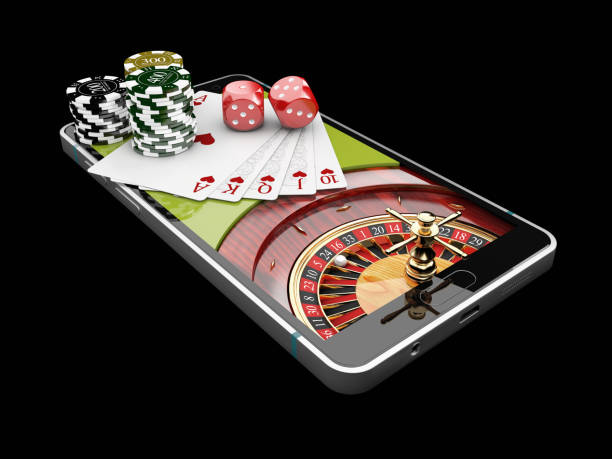
For those interested in exploring the world of online gambling, platforms like 21 Dukes Casino offer a safe and engaging experience. With a wide array of games and user-friendly navigation, players can easily access their favorite games while benefiting from attractive bonuses and ongoing promotions. Such environments prioritize player safety and responsible gaming practices, fostering a positive gambling experience.
By understanding the psychological aspects of gambling, players can navigate their gaming choices more thoughtfully. Engaging with reputable online casinos that emphasize player support and secure transactions can enhance the overall experience, making it both enjoyable and responsible.